Narrated tour · female voice
Roads Before Ships
Listen to the Movement story read slowly. Chapters continue automatically.
The Archive Wall
Six eras, six documents. Photographs and prints from public archives where they survive — noted where none exists.
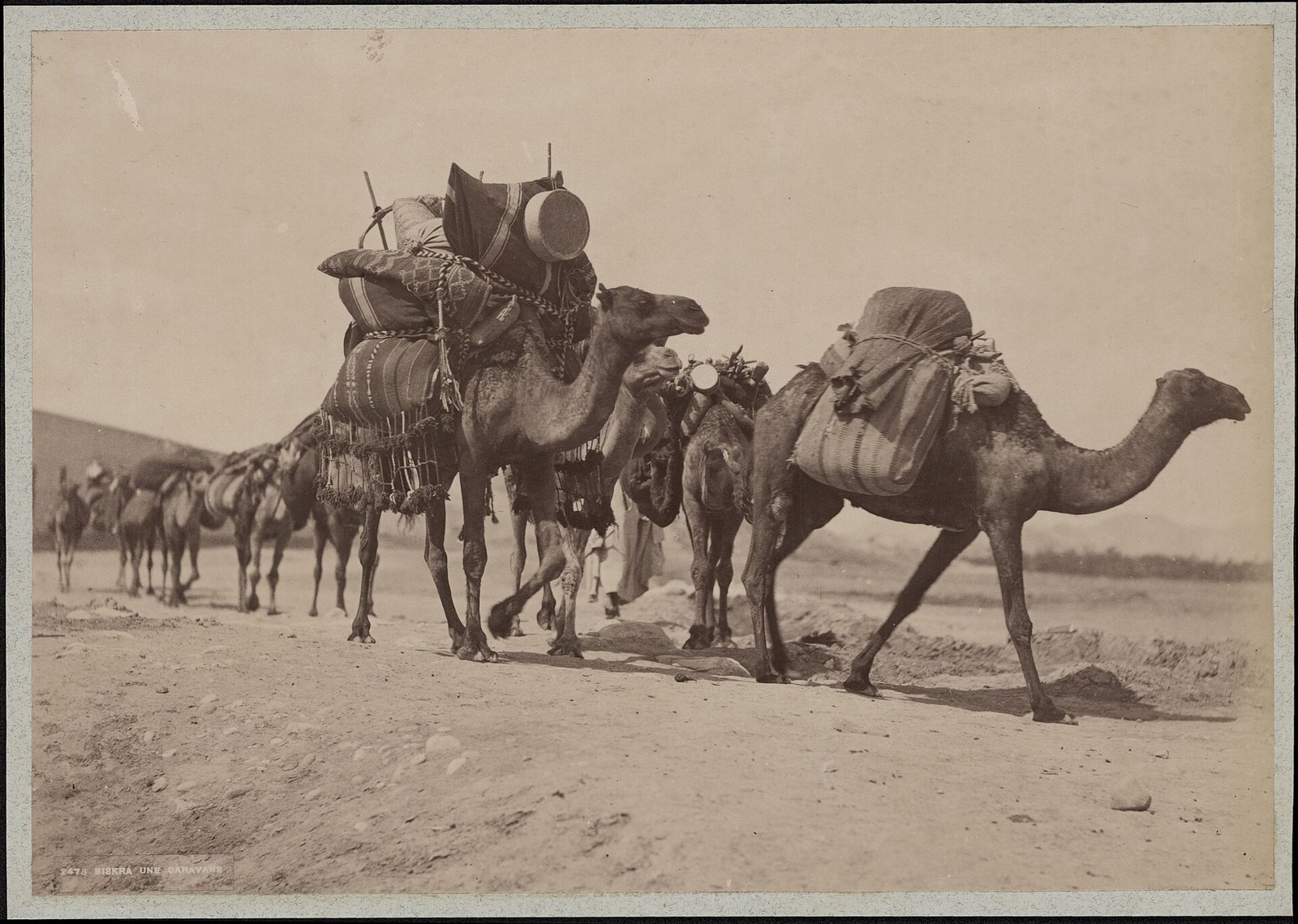
Before 1500 · Caravans
Ancient African trade routes
Long before the Atlantic, gold, salt, books and people moved along trans-Saharan caravan roads linking Timbuktu, Gao and Kano to Fez, Cairo and the Red Sea.
Bibliothèque nationale de France via Wikimedia Commons · Public domain
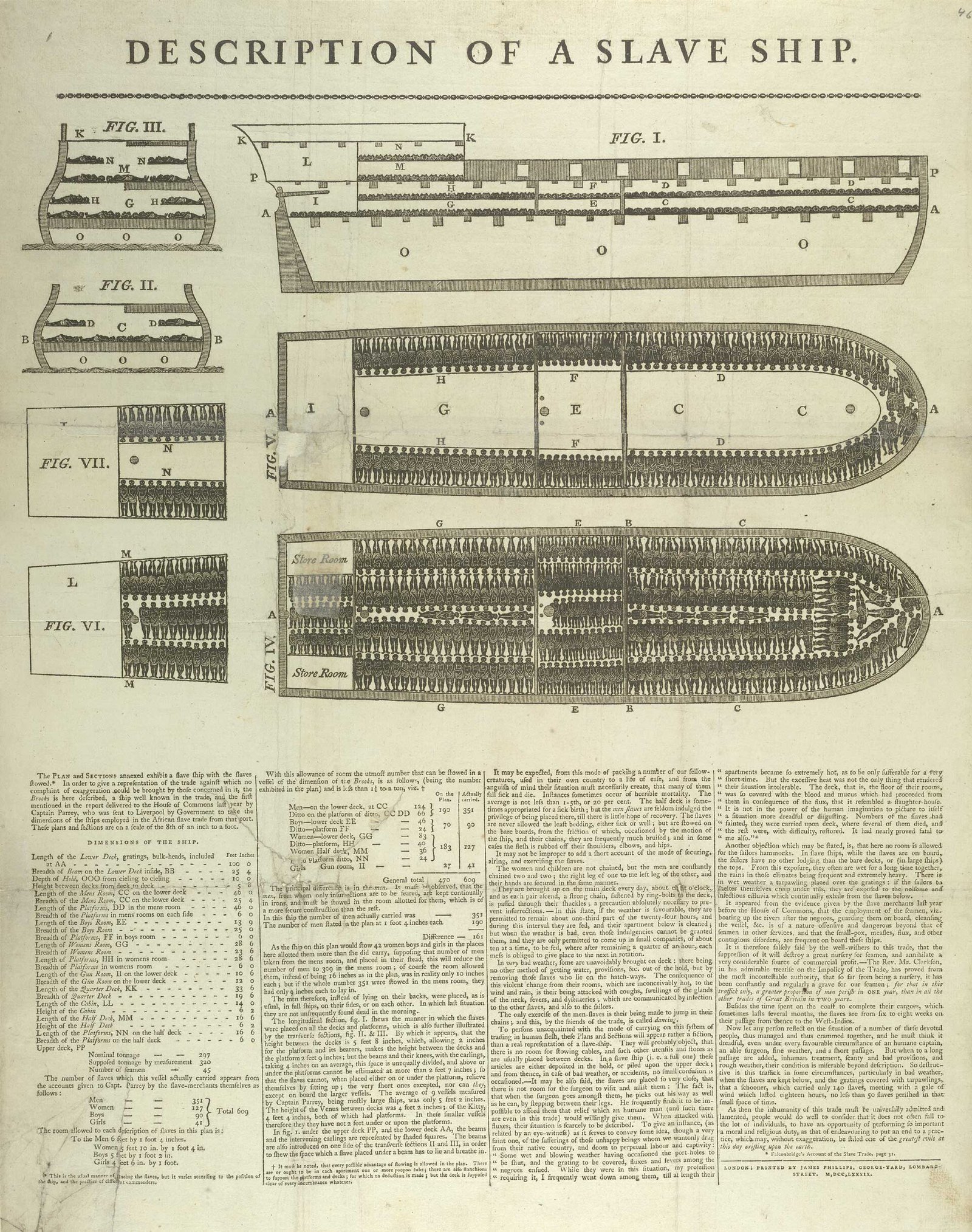
1501–1866 · The Middle Passage
Atlantic crossings
The Brookes stowage plan, circulated by abolitionists after 1788, made the arithmetic of the slave ship impossible to ignore: roughly 12.5 million embarked, 10.7 million survived.
British Library via Wikimedia Commons · Public domain
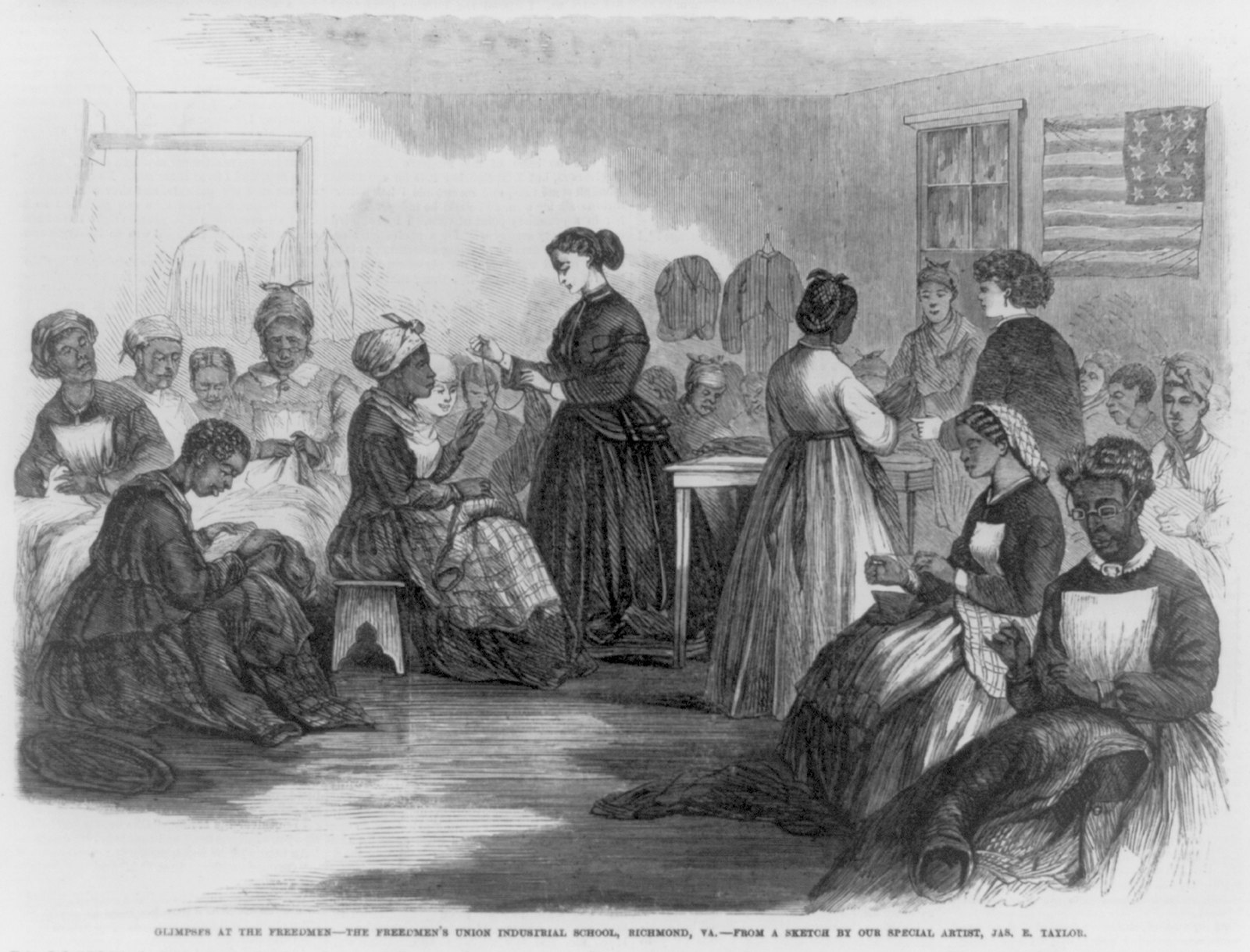
1865–1877 · Reconstruction
Schools, churches, businesses
Freedpeople built the institutions emancipation did not provide — sewing rooms and cooperatives, congregations, colleges and newspapers — in the space of a single generation.
Wikimedia Commons · Public domain
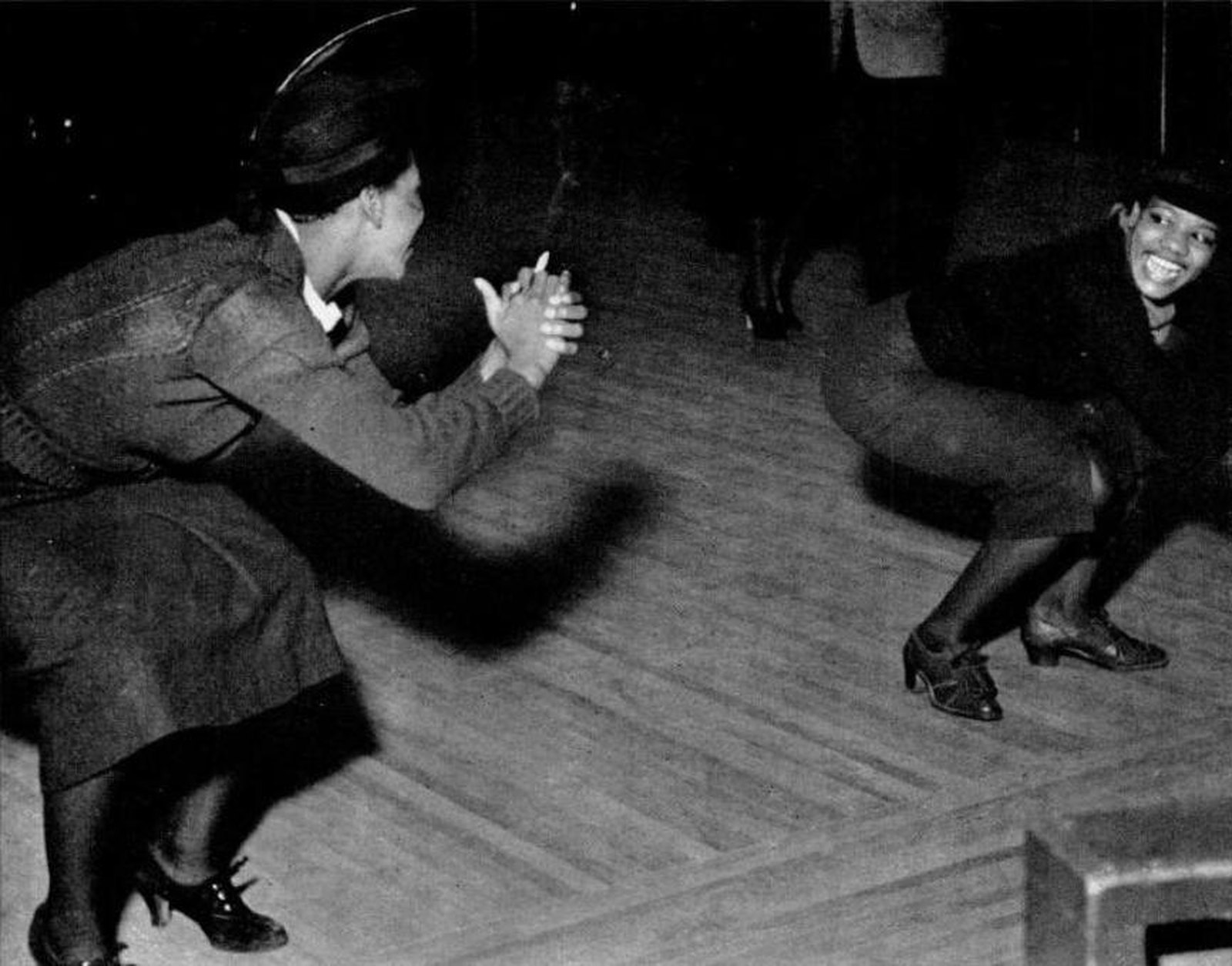
1918–1937 · Harlem Renaissance
Jazz clubs, writers, painters
Six million people moved north in the Great Migration; in Harlem the arrival became a movement — the Savoy's dance floor, Hughes's verse, Douglas's murals.
Wikimedia Commons · Public domain
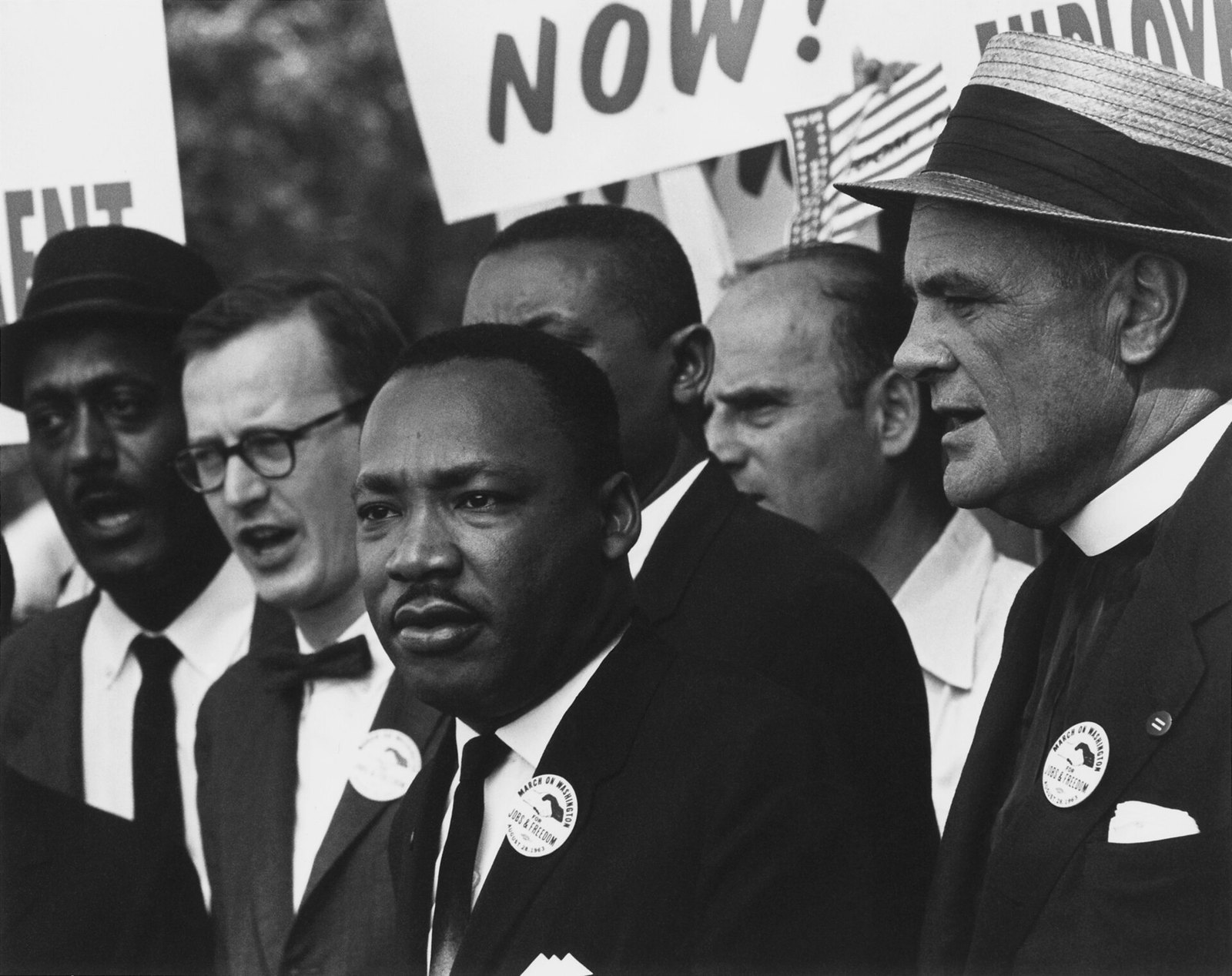
1954–1968 · Civil Rights
Marches, speeches, freedom riders
The March on Washington, 28 August 1963. Freedom rides, sit-ins and voter drives turned constitutional promises into enforceable law — and inspired movements worldwide.
Rowland Scherman, U.S. National Archives (NARA 542015) · Public domain
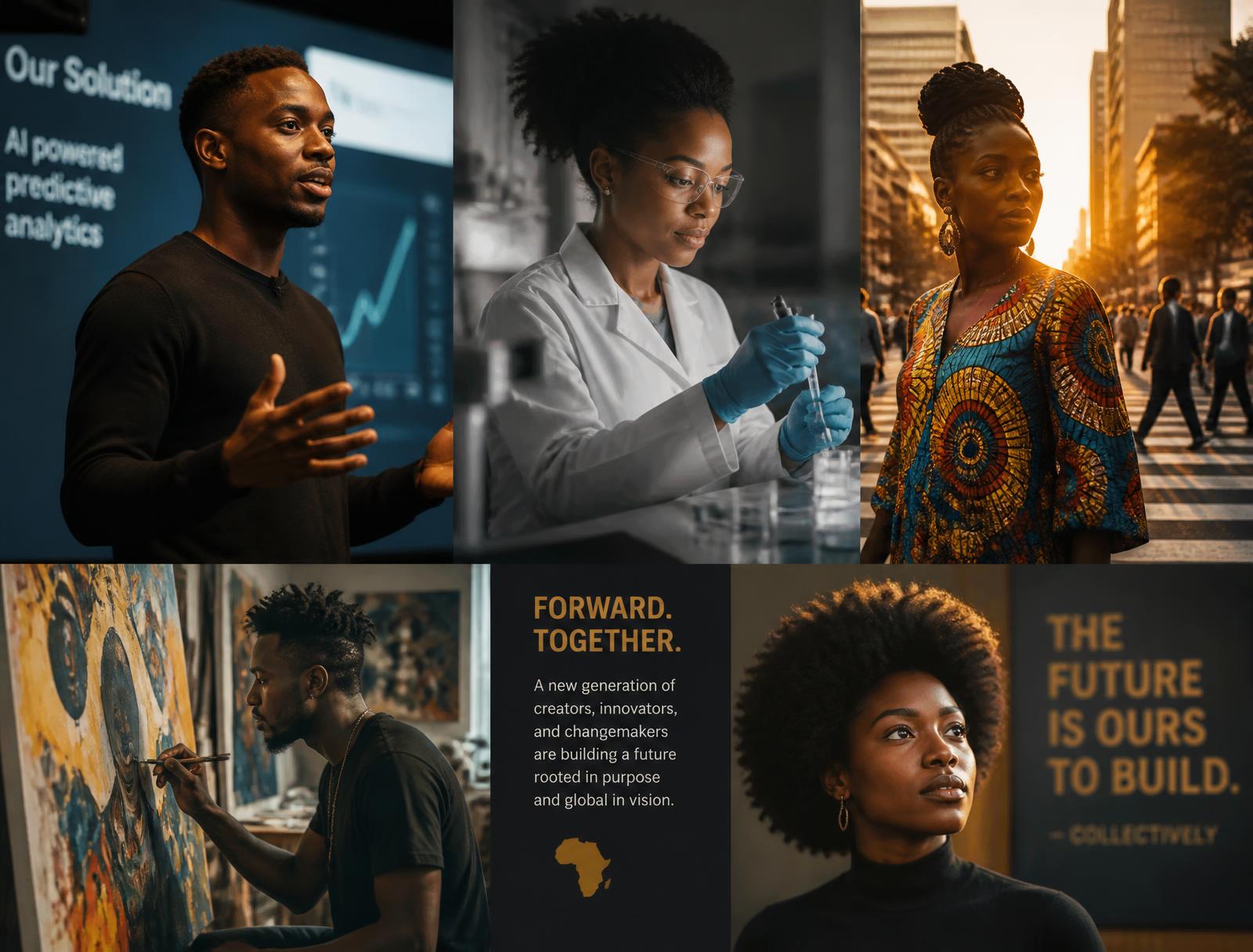
Today · Modern Diaspora
Entrepreneurs, scientists, artists, innovators
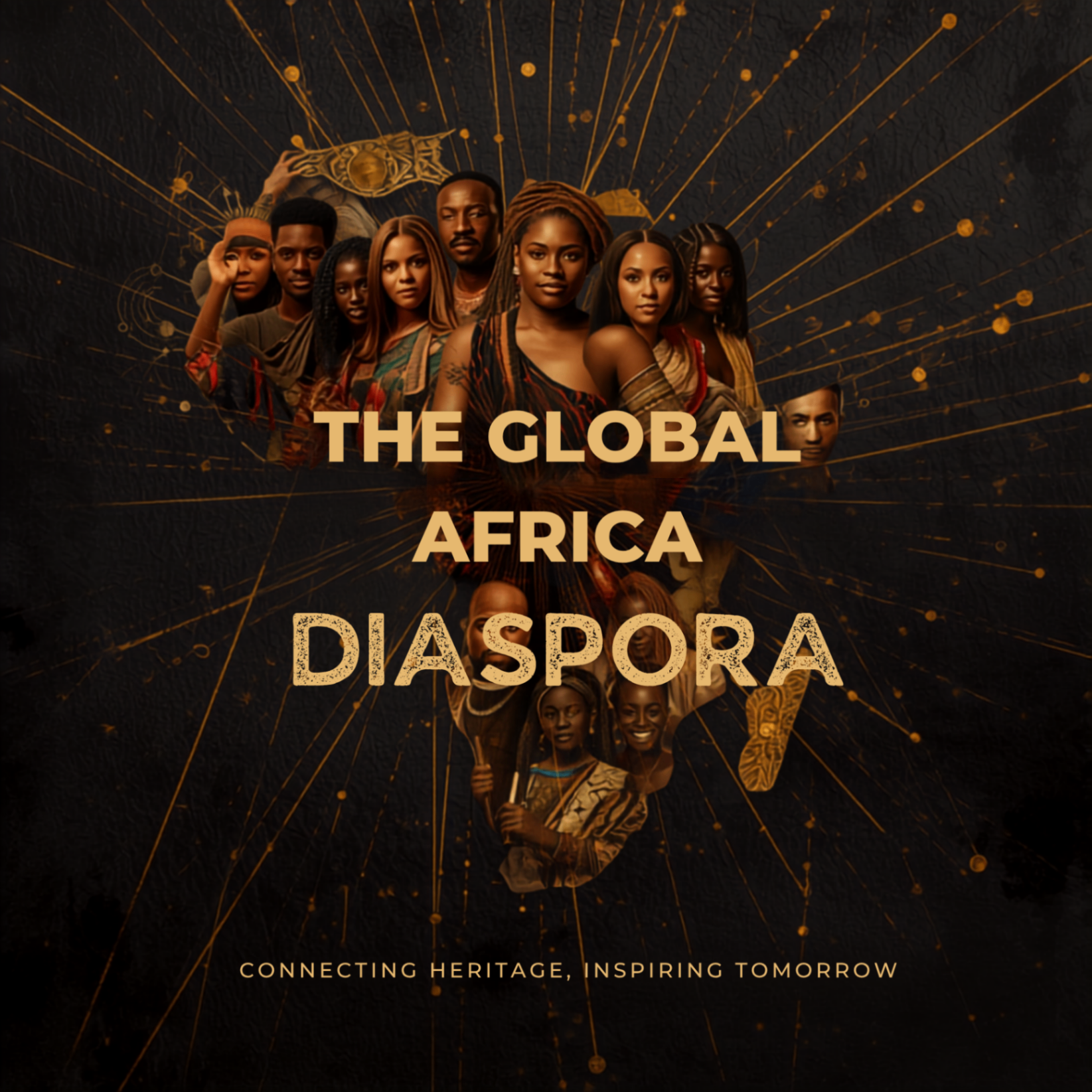
Movement never stopped. Lagos to Houston, Addis to Stockholm, Kingston to Tokyo — the newest chapter is written by students, founders, researchers and makers.
Curated illustration · no archival photograph available for a composite of this scope
The Atlantic Crossing
Between 1501 and 1866, roughly 12.5 million Africans were forced onto slave ships; nearly 10.7 million survived the Middle Passage. The largest streams went to Brazil and the Caribbean — not, as often imagined, to what became the United States.
Each port of arrival — Salvador, Kingston, Cartagena, Charleston, Havana, New Orleans — became a mouth of a new river. Yoruba, Akan, Kongo, Igbo, and Mandé peoples were thrown together and forged something new while keeping something old.
The Indian Ocean & Trans-Saharan Worlds
A second, older diaspora moved north and east: across the Sahara into Morocco, Tunisia, and the Arabian peninsula; across the Indian Ocean to Oman, Iran, Gujarat, and as far as the Chinese coast. Today, communities like the Siddi of India and the Afro-Iraqis of Basra carry that history.
Maroon Worlds & Freedom Trails
Wherever there was slavery, there was flight. Maroon societies — Palmares in Brazil, the Saramaka in Suriname, Cudjoe's Maroons in Jamaica, the Black Seminoles of Florida — built free states inside the plantation world. The Underground Railroad and the Haitian Revolution turned escape into politics.
Modern Migrations
Emancipation did not end movement. The Great Migration carried six million African Americans north and west. Caribbean and African families later remade London, Paris, Amsterdam, Lisbon, and Toronto. Today, students, entrepreneurs, refugees, and citizens move every direction — Lagos to Houston, Addis Ababa to Stockholm, Kingston to Tokyo.
Trace many of these arrivals in the regional galleries.